How to Find a Personal Trainer in Chicago: A Coach's Checklist
How to find a personal trainer in Chicago: a coach's checklist of what to look for, the questions to ask, and the red flags before you commit.
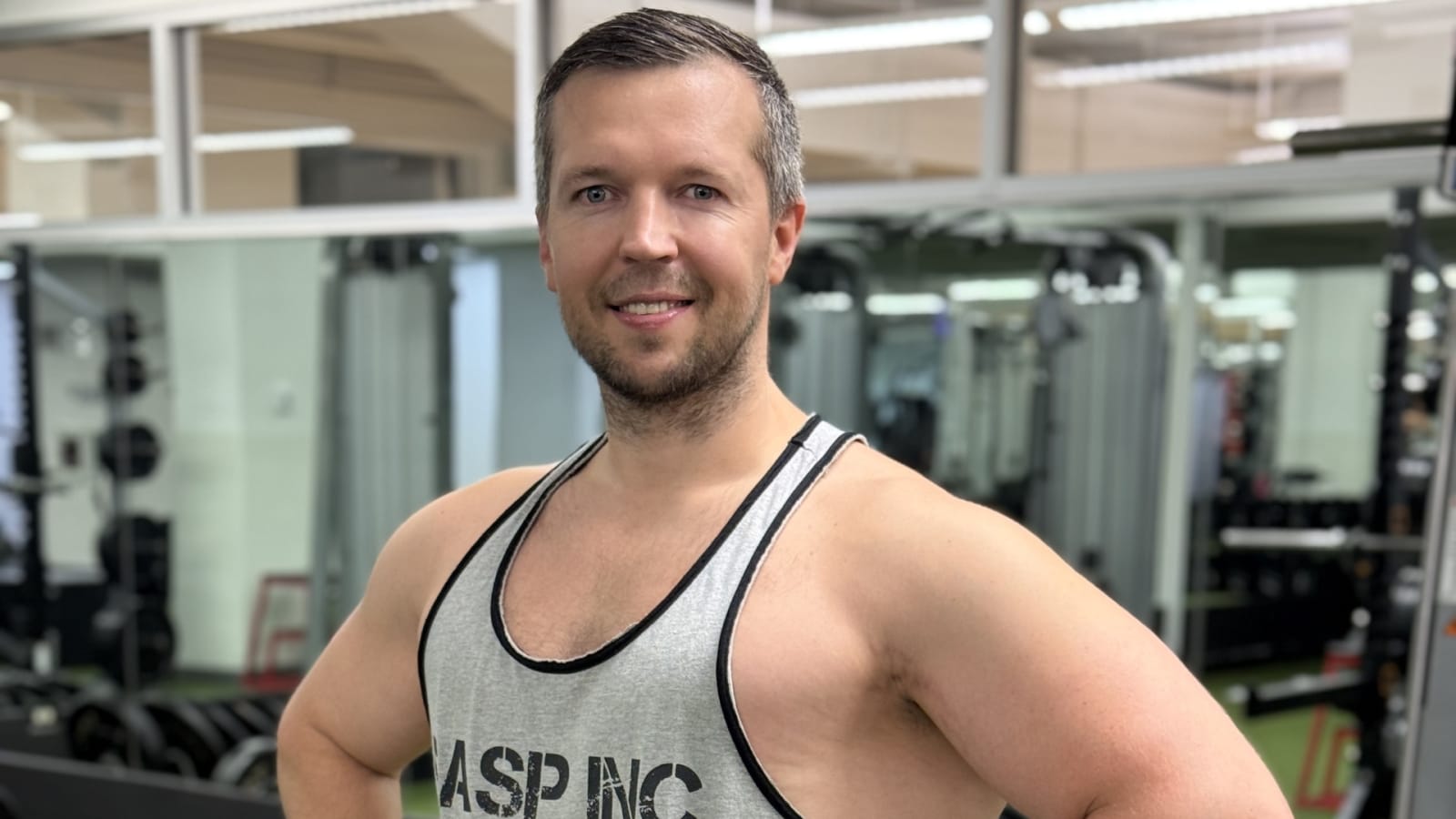
A good website tells you a trainer can afford a good web designer. It doesn't tell you whether they'll get you stronger, keep you healthy, or even watch your form once you're in the room. That's the hard part of figuring out how to find a personal trainer in Chicago: the marketing all looks the same, and the things that actually matter don't show up in a highlight reel. So here's a short, honest checklist for finding a good personal trainer — the same things I'd tell a friend to look for, whether or not they ever hired me.
First, decide if you actually need one
Before you start comparing trainers, be honest about whether you need one at all. If you've trained consistently for years, you know how to program your own sessions, and you stay accountable on your own, you might not. A good coach will tell you that to your face.
But if you're a beginner, coming back from a long break, working around an old injury, or you've been "going to the gym" for a year with nothing to show for it, that's exactly where a coach earns their keep. I wrote a full breakdown of whether a trainer is worth it for you; read that first if you're on the fence. The rest of this assumes you've decided you want one.
How to find a personal trainer in Chicago: the checklist
If you're not sure what to look for in a personal trainer, start here, in roughly this order:
-
Credentials that mean something. A recognized certification (NASM, ACE, ISSA, NSCA) is the floor, not the ceiling. Any certified personal trainer in Chicago can list their credentials. What separates them is depth: years coaching, continuing education, and a background that goes past a single weekend course. I've got the full ISSA stack — Elite Trainer, Strength & Conditioning, Bodybuilding, Nutritionist — and 16 years on the floor, and I'll still tell you that letters after a name only matter if the person knows how to apply them to your body.
-
Real specialization, not "I train everyone." A trainer who claims to do fat loss, powerlifting, post-rehab, marathon prep, and youth athletes equally well usually does none of them deeply. Find someone whose focus matches your goal. If you want to get stronger and move better as an adult, look for a strength-and-conditioning background, not a bootcamp instructor.
-
A clear first session, and a sane first two weeks. Ask what the first session looks like. The honest answer is an assessment: a movement screen, a light full-body circuit, and a real conversation about your history and goals, not getting smoked on day one to "prove" the workout was hard. Here's what a good first session actually looks like. If they can't describe anything past "we'll see how you feel," keep looking.
-
Real-time form correction. This is the whole point of paying for in-person coaching. You want someone watching you move, cueing you mid-set, and adjusting the load on the spot, not counting reps from a stool with one eye on their phone. If you train online instead, the equivalent is detailed video form reviews, not a PDF emailed to you with a "good luck." Here's how to choose between online and in-person training.
-
A consult before any commitment. Any trainer worth hiring will talk to you first, for free, about your goals, your history, and whether they're even the right fit. No conversation, no assessment, just "sign here"? That tells you how the rest of it will go.
Red flags to walk away from
Here's the part most trainers won't put on their website. Walk away if you see:
- Long lock-in contracts pushed before you've trained together once. A confident coach lets the work earn your commitment. A 12-month contract on day one protects them, not you.
- One program for everybody. If the plan you'd get is the same one the last ten clients got, you're buying a printout, not coaching.
- No real form correction. A trainer who won't watch and fix how you move is an expensive rep-counter.
- Transformation promises. "Drop 20 pounds in 30 days," "guaranteed results," "my secret method" — anyone promising a shortcut is selling one. Real change is slower and less dramatic than the ad, and I'd rather tell you that now than sell you a fantasy.
Trust the consult over the sales page
You can study websites all day and still not know if a trainer is right for you. One honest conversation will tell you more than a month of scrolling: how they think, whether they listen, and whether they're being straight with you about what it'll take.
So once your shortlist is down to one or two, talk to them. Ask the questions above. Pay attention to whether they ask you good ones back; a coach who's curious about your history and your life is one who'll program for the real you, not a template.
If you're in Chicago and want that conversation, book a free consult. Thirty minutes, no pressure, no sales pitch. Just an honest read on your goals and whether we're a good fit. If we're not, I'll tell you, and point you toward someone who is.
Get new posts by email
Training, nutrition, and staying consistent — straight to your inbox. No spam, unsubscribe anytime.