How to Start Strength Training After 40 (Without Hurting Yourself)
A Chicago personal trainer's honest guide to starting strength training over 40 — the rules that protect your joints and actually get results.
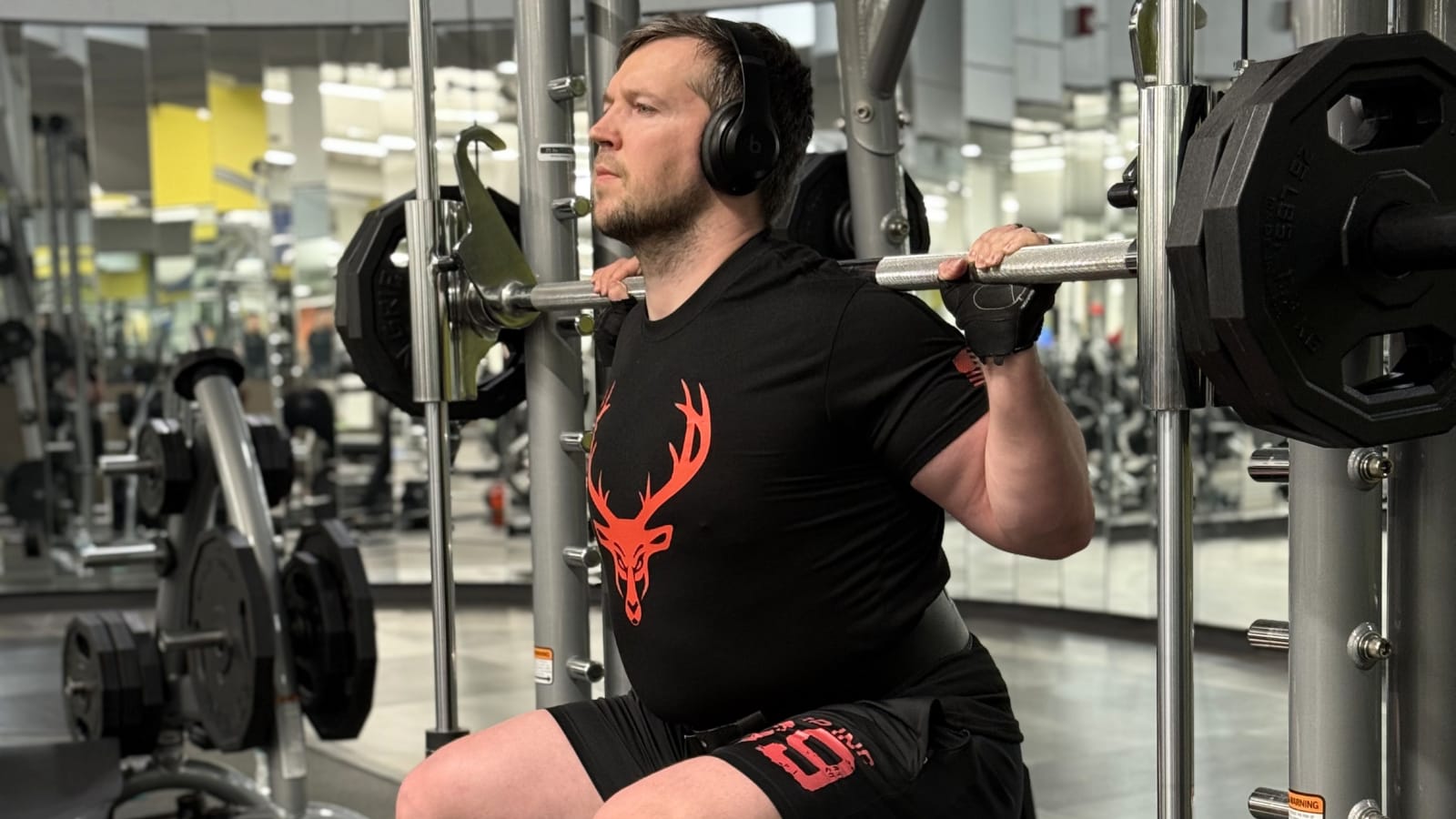
Most people over 40 who walk into a gym for the first time make the same mistake: they train like they're 25. Within a few weeks, something hurts — a shoulder, a lower back, a knee — and they quit. Not because strength training doesn't work after 40. Because nobody told them how to start.
In 16 years of coaching, the pattern I see most is rushing. Rushing the weight. Rushing the progress. Skipping the boring parts that protect you. This post is the boring parts — the rules I give every new client over 40, before they touch a single barbell.
Quick note before we start: if you have a medical condition, an old injury, or you haven't been active in years, talk to your doctor before you start training. That's not a legal disclaimer — it's good practice.
Don't Rush. Your Body Needs Weeks, Not Days.
The first thing to understand: muscle adapts faster than connective tissue. Your tendons, ligaments, and joints take longer to catch up to what your muscles can suddenly do. That gap is where most beginner injuries live.
This means your first 4–6 weeks aren't about getting strong. They're about preparing your body to get strong without breaking. Light loads. High reps. Clean movement. Your ego will hate it. Your shoulders will thank you in month three.
If you finish your first week feeling like you barely worked out, you did it right.
Master the Movement Before You Master the Weight
Before you load a bar, you need to own the movement. A squat is a squat whether you're holding 5 pounds or 200. If your knees cave in, your back rounds, or your weight shifts to your toes — adding load just makes the bad pattern stronger and the injury bigger.
Spend your first weeks on the basic patterns with bodyweight or very light dumbbells:
- Squat — sit back and down, knees tracking over toes, chest up
- Hinge (deadlift pattern) — push hips back, flat back, weight in heels
- Push (push-up, dumbbell press) — shoulders down, elbows at 45°
- Pull (row, lat pulldown) — pull with your back, not your arms
- Carry (loaded walks) — stand tall, brace your core
These five patterns cover almost everything you'll do in a gym for the rest of your life. Get them right early, and the next 20 years of training are easier.
Warm Up Like It Matters — Because Over 40, It Does
In your 20s you could roll out of bed and squat. After 40, your joints need a runway. A real warm-up is 8–12 minutes and has three jobs:
- Raise body temperature — 5 minutes on a bike, rower, or brisk walk
- Mobilize the joints you're about to use — hips, shoulders, ankles, thoracic spine
- Rehearse the movement — 1–2 light sets of whatever you're training that day, just to wake the pattern up
Skipping the warm-up to "save time" is the most expensive 10 minutes you'll ever cut. One tweaked back costs you a month.
Technique Is the Foundation. Treat It That Way.
This is the rule I repeat more than any other: full range of motion with perfect technique and a light weight will give you more results than a heavy weight with broken form.
Heavy weight with bad form doesn't build strength. It builds compensation patterns — your body finding shortcuts to move the load using the wrong muscles. Those shortcuts are what tear later.
Full range of motion means a squat where your hips drop below your knees (if your mobility allows it), a press where the bar touches your chest, a row where you actually pull the weight to your body. Half-reps with heavy weight are a popular way to look strong and stay weak.
If you can't do the full movement clean and controlled, the weight is too heavy. Drop it. Nobody at the gym is watching you anyway — and the ones who are will respect clean technique more than a heavy half-rep.
Add Reps Before You Add Weight
When a weight starts feeling easy, beginners want to add more weight. Don't — at least not yet.
Here's the better progression:
- Start with a weight you can do for 8 clean reps
- When 8 feels easy, do 10. Then 12.
- Once you can do 12 clean reps with full range of motion, then increase the weight — and drop back to 8 reps with the new load
- Repeat
This builds work capacity, joint resilience, and muscular endurance before you ask your body to handle heavier loads. It's slower on paper. It's faster in real life, because you're not spending half your year recovering from injuries.
What This Looks Like in Practice
Your first 8 weeks should look something like this:
- 2–3 sessions per week, never two days in a row at first
- 8–12 minutes of warm-up, every session, no exceptions
- 4–6 main exercises built around squat, hinge, push, pull, and carry
- 2–3 sets of 8–12 reps, light enough that the last rep is still clean
- Rest 60–90 seconds between sets — long enough to actually recover
- Drink water — a full glass before, sips during, more after. Most adults walk in dehydrated and wonder why their session feels twice as hard
- Cool down for 5–10 minutes — easy walk on a treadmill or light bike to bring your heart rate down, then 3–5 minutes of stretching the muscles you just trained. Skipping this is how a small tightness turns into next week's stiff back
This is unsexy. It's also the reason people who start this way are still training pain-free in their 60s.
The Bottom Line
Strength training after 40 isn't about being soft on yourself. It's about being smart enough not to hand your future self a torn rotator cuff. Train light, train clean, train consistent — for the first two months. Then you've earned the right to push.
If you're in Chicago and you want someone watching your form for the first month — that's literally my job. Send me a message and we'll talk through a starting plan.
You can also check out some of the movements I teach my clients if you want to see what clean technique looks like before you walk into the gym.
Get new posts by email
Training, nutrition, and staying consistent — straight to your inbox. No spam, unsubscribe anytime.