Is Hiking Active Recovery? Where It Fits in Your Training Week
Is hiking active recovery or a real workout? A coach's honest answer, plus how to tell which one your body is getting and where it fits in your week.
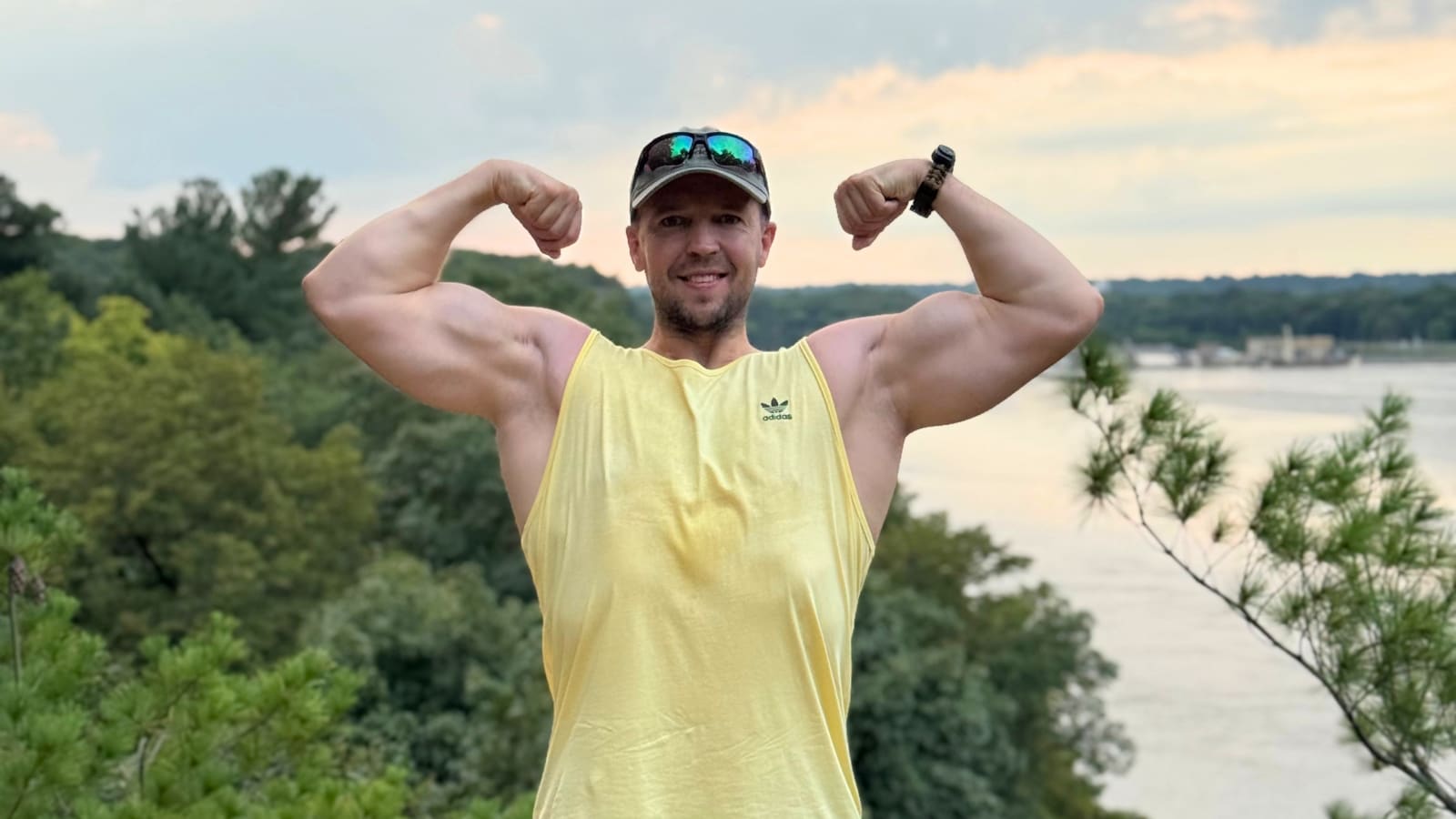
Clients ask me a version of this every few months. They walk thirty or forty minutes most days, they feel good doing it, and they want to know whether it counts. Is that enough? Does it replace a session?
Hikers ask the same thing in a different shape: is hiking active recovery, or is it a workout?
The honest answer is that it depends on what your body is already trained for. That sounds like a dodge. It isn't, and once you can tell the difference you'll plan your week better.
Is hiking active recovery? Only when it's easy for you
Active recovery means an effort low enough that it helps you show up for the next session instead of taking something out of you. That's not a property of the activity. It's a property of the activity measured against you.
Yesterday I walked over five miles at Waterfall Glen, a couple of hours on rolling ground. I felt good afterward. The only thing I noticed was some calves and lower back, and that came from Saturday, when I trained back and legs. The walk itself didn't cost me anything.
Put someone who hasn't trained in a year on that same route and they'll feel it for three days. Same distance, same hills, same weather. For me it was a recovery day. For them it's the hardest thing they've done in a year.
So the question was never whether hiking is recovery. It's whether this hike is recovery for the body you currently have.
A rough test: if you held a conversation the whole way and you'd be fine training tomorrow, that was recovery. If you were breathing hard on the climbs, picking your way down steep sections, or thinking about your legs the next morning, that was training. Neither one is wrong. Just know which you did, because the rest of your week should be built around the answer.
What hiking actually gives you
Aerobic work that doesn't beat you up. You can hike every week for years. Most people can't say that about running.
Uneven ground. Roots, rocks, camber, loose gravel, wet stone. Your feet, ankles and hips make hundreds of small corrections that a treadmill never asks for. That's balance and stability work, and it's genuinely hard to program indoors.
The descents. Going down, your quads work as brakes, lengthening under load instead of shortening. That's real work, and it's the part people underestimate, which is why a hilly walk is not automatically an easy day.
Being outside. Here I'll be straight with you about what I don't know.
I went to Starved Rock in August, right after the rain had stopped. The roads were still wet when I pulled in. As soon as I stepped into the trees, the air felt heavy. Not hard to breathe exactly, just thick and different, like the forest had a weight to it. I noticed it in my chest for the first twenty minutes or so. Then I got closer to the river, where the trees open up and there's more space between them, and the feeling disappeared completely. Later I went back into the thicker woods and never felt it again. I don't know if the air changed or if I did.
I walked the hills for about two and a half hours. I walked slower than I usually walk anywhere, and I left feeling better than when I arrived.
I'm not going to explain that to you, because I can't. What I will say is that in sixteen years of coaching, consistency has almost never come down to discipline. It comes down to whether someone finds any part of it worth doing. Outside, people walk longer and notice less. That benefit I'll defend.
What hiking won't do is make you meaningfully stronger past a point. You can't add load to a trail. Go further, go steeper, and eventually your usual route stops getting harder and your legs stop adapting to it. It also asks close to nothing of you above the waist. Strength has to come from somewhere else: squats, lunges, step-ups, push-ups, rows. You can see how those should look in the exercise library.
And if a knee or an ankle already bothers you on flat ground, that's a doctor or physical therapist conversation before it's a trail conversation. I'm a trainer, not either of those, and I'll tell you that every time.
Where it fits in your training week
Most of my clients train three or four times a week. What happens on the days in between is what decides how the next session feels. That's the same argument I made about eating around a training week, and walking is one of the few levers you have on those days.
Two ways to use it:
- The day after a hard session. Flat, easy, under an hour, conversational the whole way. You want blood moving, not another bill to pay.
- On a genuinely open day. Go long, take the hills, enjoy it — then count it as a training day and don't schedule heavy legs for the next morning.
As for walking thirty or forty minutes most days: keep doing it. It's the easiest habit to hold for decades and very little competes with it on that measure. Just be clear that it maintains rather than builds, which is the same distinction I drew about staying in shape while traveling. If you want to build, the loading has to come from training, and it has to arrive gradually, because connective tissue adapts more slowly than muscle does. That gap is where most people get hurt.
Most weeks I'm at Morton Arboretum. Sometimes I bring my son and we walk it together, which is worth mentioning for a practical reason. Some places are stairs and wet rock. Others are wide, even ground where a small kid can keep up. If getting out at all depends on bringing someone with you, pick the second kind. The walk that happens beats the better walk that doesn't.
Start this week
Pick one day in the next seven and go somewhere with trees. An hour is enough. Walk slower than you think you should. That isn't a throwaway line, it's most of the difference between a recovery day and a session you'll have to account for.
Then look at your week honestly. If walking is the only thing in it, you're maintaining. That's a reasonable place to sit for a while, and it beats doing nothing. But if you want to be more capable in five years than you are today, walking won't get you there on its own.
If you'd like that part built properly, send me a message. It starts with a free thirty-minute call about your goals and how you actually live. No pitch. If I'm not the right fit, I'll say so and point you somewhere better.
Get new posts by email
Training, nutrition, and staying consistent — straight to your inbox. No spam, unsubscribe anytime.