Will You Lose Muscle If You Take a Week Off? What It Costs and How to Come Back
Will you lose muscle if you take a week off? Barely, if at all. What a short break costs, when to take one, and how to run your first workout back.
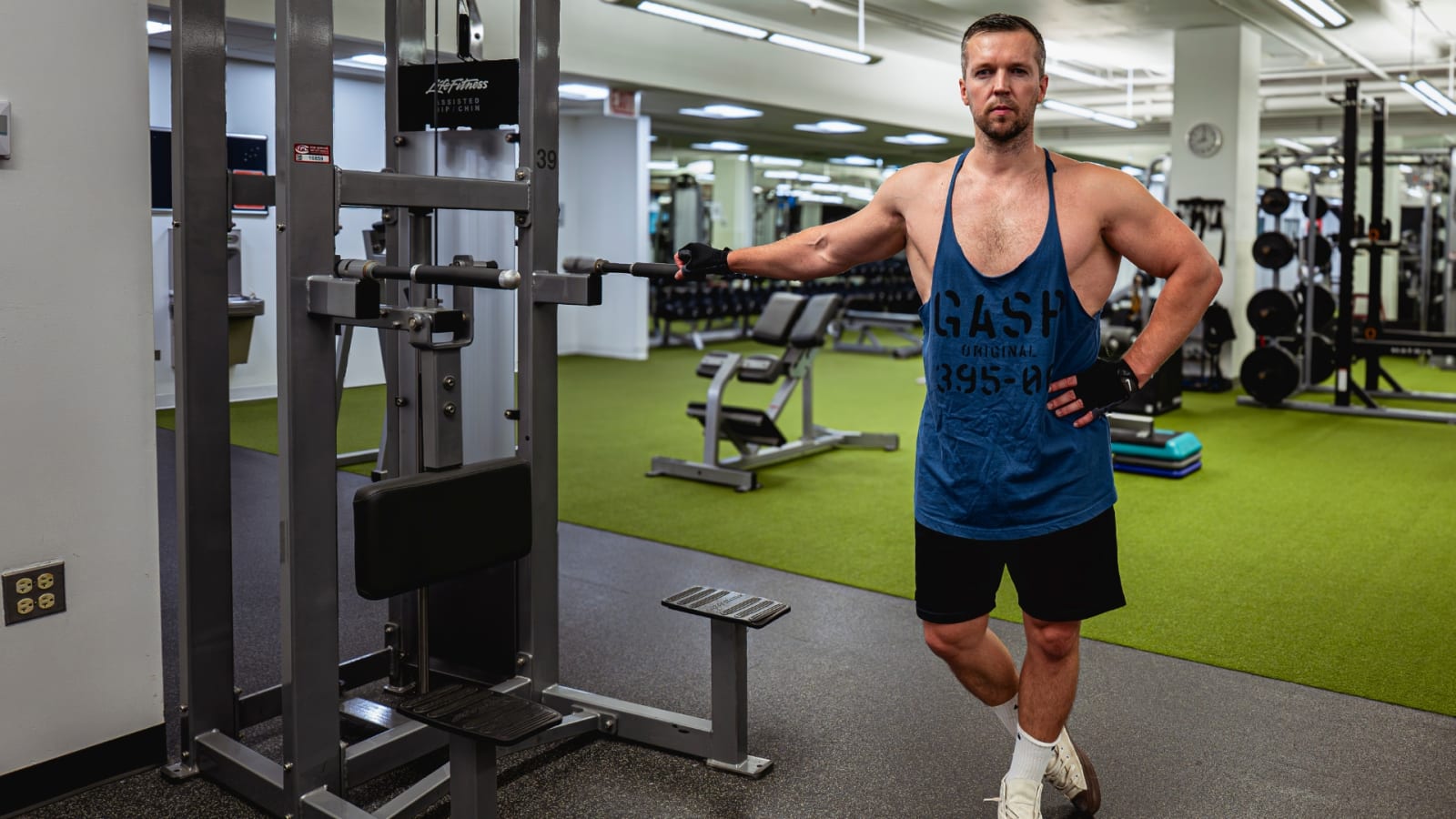
Will you lose muscle if you take a week off? If you've been training steadily, the honest answer is barely, if at all. How you come back matters more than the week itself.
Will I lose muscle if I take a week off, or two?
The research on people who already train points the same way. In one recent study, young adults who lifted took a full week off halfway through a nine-week program. They built about the same amount of leg muscle as the group that trained straight through. The week wasn't free, though. The group that never stopped gained more leg strength and, if anything, felt more ready to train. That's one small study of 39 young lifters, so read it as direction, not a guarantee.
Two weeks off didn't erase strength either. Young men who lifted kept their leg-press strength through two weeks off, and their lean mass held. In an older study of power athletes, two weeks off left their squat and bench press where they were, though their fastest muscle fibers had started to shrink. Both were small studies: 20 trained men in one, 12 power athletes in the other.
The longer the break, the more it costs. When researchers pooled more than a hundred studies, every measure of strength dropped once training stopped. It dropped more the longer people stayed off, and more in people over 65. That analysis mixed breaks of many lengths and measured strength, not muscle size.
In the gym, a short break shows more than those studies suggest. In 17 years of coaching, my clients have usually come back from one weaker, and it's worst for the ones who skipped the light sessions I'd given them for the trip. Muscle memory brings most of it back fairly fast, as long as the break was short.
Your first workout back after a week off
Feeling weaker in that first session doesn't mean the muscle is gone. It means you haven't used it for a week. Don't chase your old numbers, and don't try to make up the missed week with extra sessions.
With my clients, the first session after a trip with no training is a full-body circuit. If you're training on your own, run yours the same way:
- Work every major muscle group, and hammer none of them.
- Go lighter than where you left off. After a long break, my rule is to "leave every session feeling like you could have done another set." Start a week-off comeback the same way.
- Expect some soreness anyway. Most of my clients feel it after their first sessions back.
- Let the session show you where you are. That's what I use it for with clients: I see where they are, then adjust the program.
How long to stay lighter depends on what came before the break: one week if you'd been training for months, two if you'd been training for less than a few months.
Where people really lose ground is when they stop everything: the sessions with me and the training on their own. Results drop quickly then, especially once the eating habits go too. If your week off has turned into months, this isn't your plan. Start with how I'd restart after a long layoff instead.
When a planned week off is the smart move
In the post on working out when you're tired, I wrote: "And if you've been training hard for months without a real break, take one. Or keep moving and change what you're doing." So is it OK to take a week off from the gym? At the right time, yes. Here's how I decide when.
I'll suggest a full week off when:
- You've trained steadily for four or five months, and progress has stalled or you feel run-down rather than just tired.
- A shoulder or elbow keeps complaining. First I change the exercise or switch to another variation. If the discomfort is still there, we take a break and you get it checked by a doctor or physical therapist. I'm a trainer, not a doctor.
I take my own week off every three or four months. Sometimes it's a vacation. Otherwise it's a week of swimming, hiking or boxing instead of lifting. A week off the gym isn't a week on the couch.
If a trip lands when you're due a break anyway, let it be your week off. If it doesn't, keep the habit going with what I suggested in my post on staying in shape on vacation: "Two or three short sessions across the whole trip is plenty."
Not every break has to be a full week off. If nothing hurts and you're not run-down, a lighter week, what lifters call a deload week, may be enough. In a survey of 246 competitive lifters, the usual deload kept the same training days and exercises but cut the sets, the reps and the weight, and stopped further from failure. That's what experienced lifters say they do, not proof that it works. One small study suggests an easier week doesn't cost growth: 19 young men new to lifting trained one arm and one leg straight through, and gave the other arm and leg two easy weeks with one short session instead of two. Both sides grew about the same. Beginners and two simple exercises, so take it as a hint.
With my clients, a lighter week usually means different work, not less of the same: conditioning work, or a week of bodyweight training with no gym and no weights.
Either way, a planned break isn't a dropped session. My rule for missed sessions is "Don't drop it. Move it or modify it." The reason: "A modified session still counts. A dropped one is just gone." A planned break works differently. You choose it ahead of time, it ends on a set day, and your first session back is already on the calendar. That's rest you scheduled, not training you lost.
So if you've been training steadily for months, put your week off on the calendar now, with your first session back already in it.
Coming back from a week off?
If you're in Chicago or the suburbs, book a session and we'll start with that full-body circuit. If you're not, we can work together online: I write your program around your schedule, trips included, and you can send a video whenever you want a form check. Either way, it starts with a free 30-minute call. If we're not a good fit, I'll tell you. Send me a message to set it up.
Get new posts by email
Training, nutrition, and staying consistent — straight to your inbox. No spam, unsubscribe anytime.